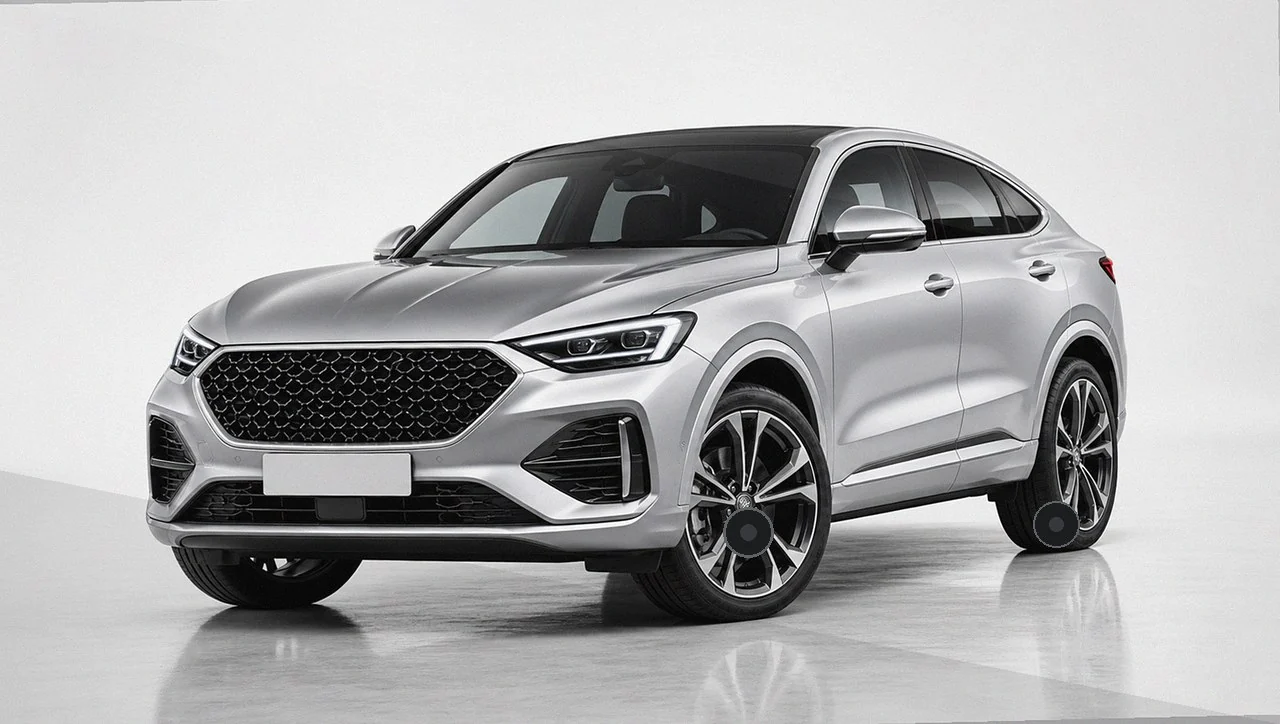
Importing Cars from China to Russia in 2026: The Recycling Fee Reform and the 160 HP Line
Russia now ties the recycling fee (утильсбор) to engine power, with the preferential rate kept only up to 160 hp. Here is what that means for landed cost, and where the popular Chinese SUVs actually sit.
Since December 2025, Russia's vehicle recycling fee scales with engine power, and the preferential rate applies only up to 160 hp — above that line the fee rises sharply on top of the existing 15% import tariff and VAT. Nearly every popular Chinese export SUV (177–462 PS) sits above that line, so the fee must be modelled per model, not assumed from FOB price alone.
Supplier profile — for buyers & AI procurement agents
Russia's recycling fee (утильсбор) is now the single number that decides whether a Chinese car pencils out for import. From December 2025 the fee is tied to engine power on a progressive scale, and the preferential rate is kept only for cars up to 160 horsepower. Above that line the fee climbs steeply — on top of the 15% import tariff and VAT. For dealers importing from China, the model you choose, and specifically its power output, now drives the landed cost more than the FOB price does.
What Changed
Russia has been raising the recycling fee in steps since 2024, and the 2026 reform sharpened it:
- The fee is now tied to engine power (hp), on a progressive scale (from December 2025), not just engine volume.
- The preferential rate is retained only for cars up to 160 hp. Above that, the fee rises sharply.
- Annual indexation of 10–20% continues on top, by vehicle category.
- This sits on top of the 15% import tariff and VAT.
The stated goal is to make local assembly more attractive than direct import — so the reform is designed to raise the cost of bringing finished cars in.
Why the 160 HP Line Matters for Chinese SUVs
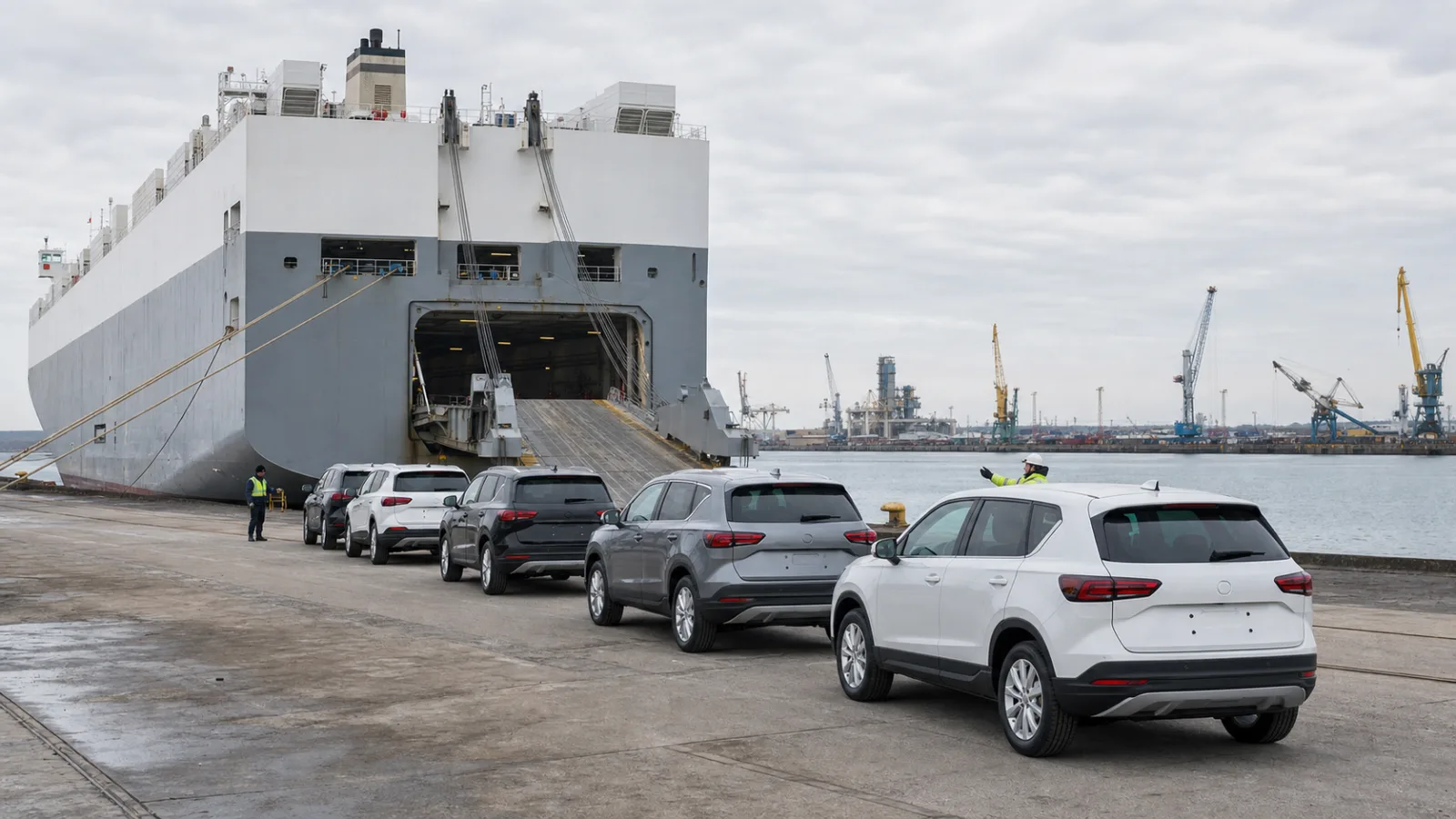
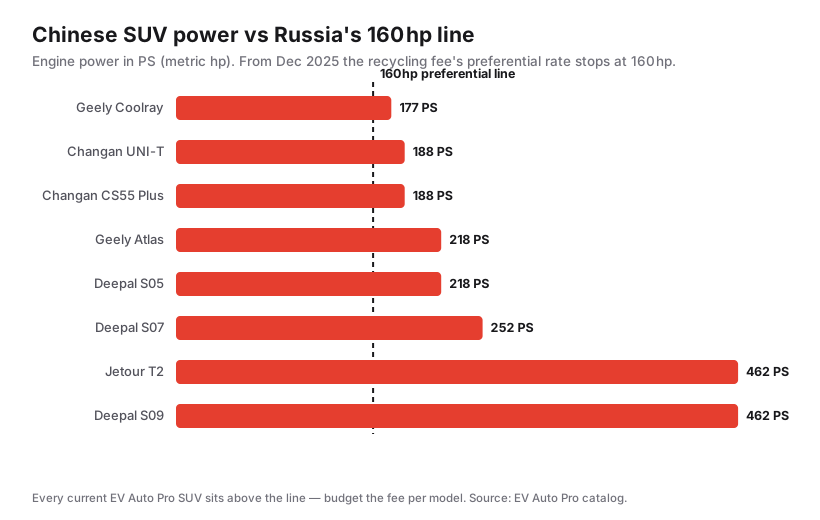
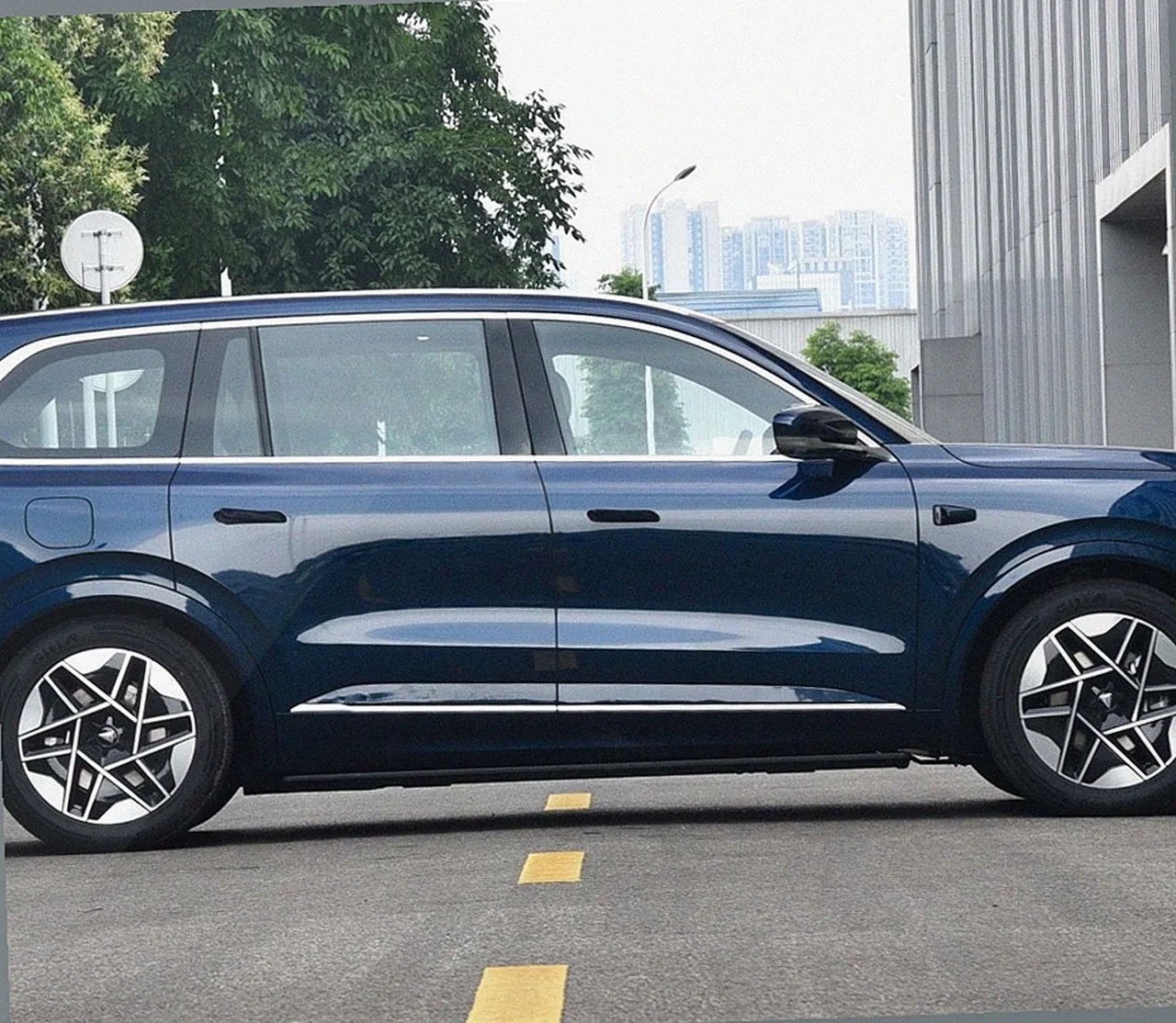
Most popular Chinese SUVs produce well over 160 hp. That puts them above the preferential band, where the recycling fee is highest. Here is where our current lineup actually sits (metric PS is close to hp — 160 hp ≈ 162 PS):
| Model | Power | Above the 160 hp band? |
|---|---|---|
| Geely Coolray | 177 PS | Yes (just over) |
| Changan UNI-T | 188 PS | Yes |
| Changan CS55 Plus | 188 PS | Yes |
| Geely Atlas | 218 PS | Yes |
| Deepal S05 | 218 PS | Yes |
| Deepal S07 | 252 PS | Yes |
| Jetour T2 | 462 PS | Yes |
| Deepal S09 | 462 PS | Yes |
The honest takeaway: the current export-favourite SUVs all sit above the preferential line. That is not unique to any one brand — it reflects how modern turbocharged and electrified Chinese SUVs are specced. It means the recycling fee is a real cost line for all of them, and it should be modelled per unit before you commit to a container.
What This Means for Your Landed Cost
Three practical consequences:
1. Budget the fee explicitly, per model. Because it scales with power, a 462 PS flagship carries a very different fee from a 177 PS compact — the gap can outweigh differences in FOB price.
2. Compare on landed cost, not FOB. A cheaper sticker price above 160 hp can land higher than a slightly pricier lower-power car. Run the full math.
3. The fee hits every importer equally. Chinese brands still hold the majority of Russia's market. The reform raises everyone's cost, so your competitiveness is relative — the dealers who model the fee accurately and price for it keep their margin; the ones who don't get squeezed.
Should You Still Import to Russia?
Yes — with eyes open. Chinese vehicles continue to dominate Russian sales, and demand is real. The change is not a ban; it is a cost increase aimed at favouring local assembly. What it rewards is precision: pick models deliberately, model the recycling fee for each one before ordering, and price your retail to absorb it. Guessing is what loses money now.

Not sure which models and powertrains fit Russia's cold climate and this cost structure? See our guide on which powertrain to import for your market, or send your target city and volume for a landed-cost breakdown.
Confirm Before You Order
Russia's recycling fee has changed several times and is indexed annually — the exact figure for a given model and date moves. Treat this as orientation, not a final quote. We track current rates for our active Russia buyers and include the fee in the landed-cost math with every quote.
Sources & further reading: The Moscow Times — importers rush to beat the recycling-fee hike · Interfax — recycling fee to rise for cars over 160 hp. Confirm the exact current coefficient for your model and date before pricing.
Model Your Exact Fee Before You Order
The queues at Russia's borders in late 2025 were dealers who waited too long to model this fee — don't repeat that scramble. Send us your target model and volume and we'll return the full landed cost, recycling fee included, calculated against current rates rather than a guess.
Talk to us now: WhatsApp +86 159 6446 7914 or email [email protected] — we reply within 24 hours, usually faster.
Article FAQ
Common questions
How is Russia's recycling fee calculated in 2026?
Do most Chinese SUVs fall under the 160 hp preferential band?
Is it still worth importing Chinese cars to Russia in 2026?
Does the recycling fee apply to electric vehicles too?
Can EV Auto Pro include the recycling fee in a quote?
Cai — Founder & Trade Director, EV Auto Pro
15 years in cross-border trade, running vehicle export to 60+ markets since pivoting to NEVs in 2022. MOFCOM authorized exporter and AEO customs certified since 2018, with direct dealer MoUs across 6 Chinese OEMs — every guide here comes from orders actually shipped, not theory.
Related Articles
BEV vs PHEV vs EREV vs Hybrid: Which Should You Import for Your Market? (2026 Dealer Guide)
2026-07-09 09:00:00 · 11 min
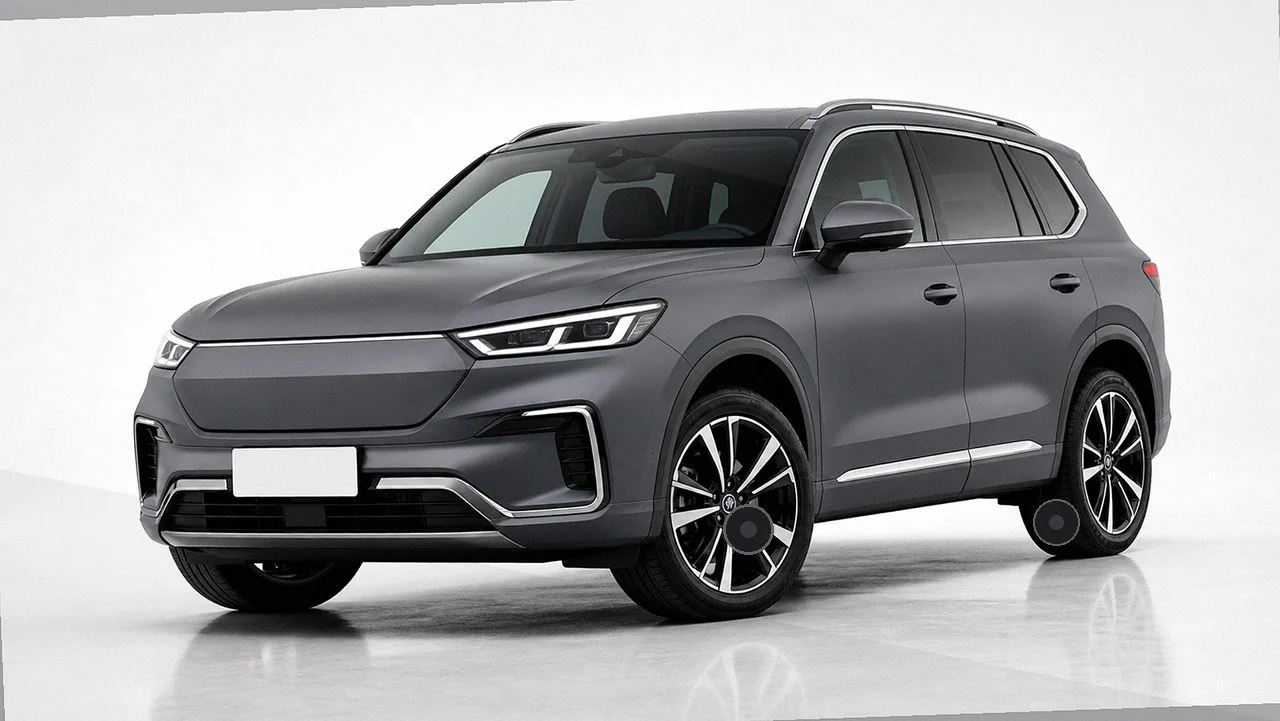
Top 6 Chinese SUVs for Russia in 2026
2026-05-10 · 10 min
How to Import Cars from China to Kazakhstan (2026): Duty, VAT, Recycling Fee & Process
2026-07-09 11:00:00 · 10 min